Tips for Trap-Filled Platformers
By the LetsPlayFree editors ·
Some platformers are designed to surprise you. Floors vanish, doors run away and spikes appear exactly where you land. They can be frustrating, but they can also be among the most satisfying games to master. This guide explains how trap platformers work, how to play them without losing your temper and which free browser examples are worth your time.
What makes a trap platformer different
In a normal platformer, hazards are placed fairly: you can see them and jump over them. In a trap platformer, the game deliberately breaks that expectation. A platform that looks safe may fall away, and a corridor that looks empty may hide a spike. The designers are not cheating; the surprise is the point, and you are expected to learn by failing.
The result is a different rhythm. You do not play carefully from the start. You probe, fail, remember and then execute. Once you accept that, the genre becomes a puzzle about discovering what the level wants to do to you.
Expect to fail, and make failure cheap
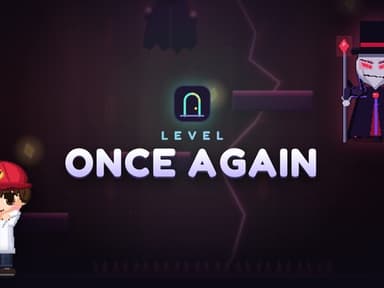
The best trap platformers restart instantly. Hazard Pay has a quick restart key, and Level Once Again does too, so a failed attempt costs you a second. Use that to scout: run into a suspicious spot on purpose to see what happens, and then use the knowledge on your next attempt.
Level Once Again is a good example of the genre’s humor. It describes the same room and the same door with a brand-new trick every time, across 100 rooms in four worlds and seven bosses. A hint button is available if you cannot work out the trick, and it supports gamepads and on-screen buttons on mobile.
Learn each character’s strengths
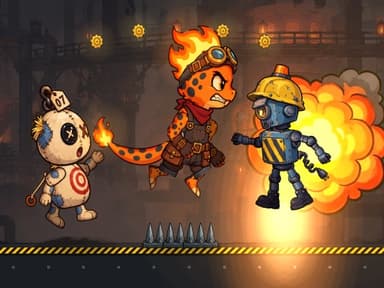
Hazard Pay gives you three workers with different abilities: Cinder the salamander can wall-jump, Pip the crash-test dummy can jump again in mid-air and Rivet the robot hovers and reveals hidden traps. Choosing a character is almost choosing a strategy, and an impossible room can become easy when you switch.
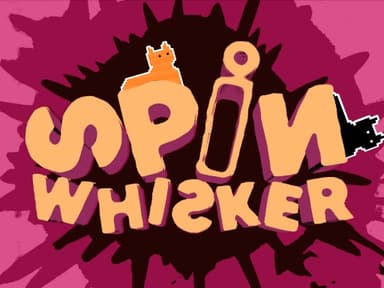
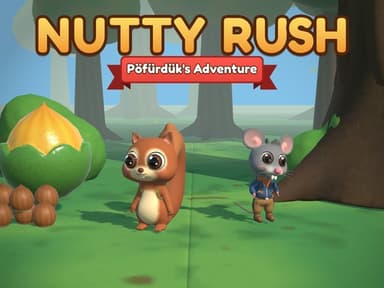
SpinWhisker and Nutty Rush offer more traditional movement, with a cat who can shoot and interact and a squirrel who can double jump, throw nuts and sprint. Even in gentler games, learning what your character can do is the fastest way to improve.
Treat safe-looking paths with suspicion
If a path is wide and clean, it is probably a trap. The game wants you to relax. Slow down and test the first step. In a trap platformer, the safest-looking route is often the one the designer has prepared a surprise for, while the awkward route is the one that works.
That said, do not become paranoid. Trap games still need to be fair, which means the trick is usually visible once you know to look for it. If a trap kills you twice in the same way, stop and think about what the level is telling you.
Short precision levels
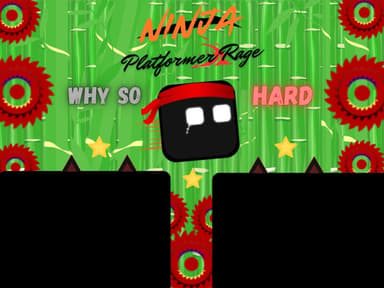
Ninja Platformer Rage gives you 50 short levels and a shadow you can throw and then teleport to. Throw the shadow before you need it, and use it to cross hazards instead of trying to dodge them. Times are tracked, so once you know a level you can replay it faster.
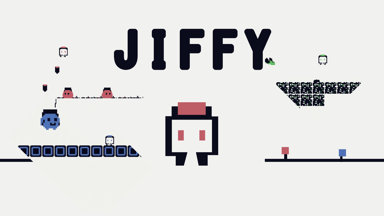
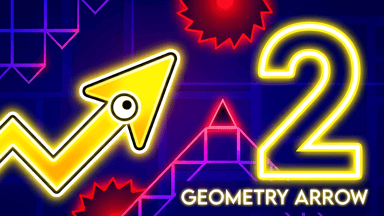
Jiffy is a retro-style action platformer where every jump counts: you jump over hazards, break destructible blocks and double-tap jump to shoot. Geometry Arrow and Geometry Arrow 2 shrink the genre into one-button flying, with six levels in the first and 13 in the sequel.
Gentler options for practice
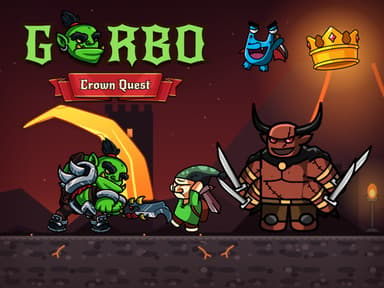
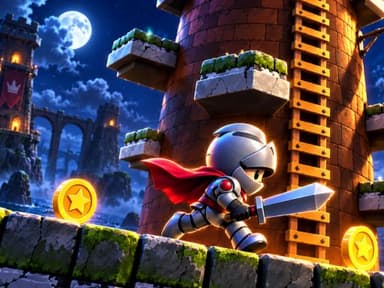
If trap platformers feel too harsh, start with something more forgiving. Gorbo the Orc: Crown Quest has a tutorial that teaches running, jumping, cleaver swings, combos and axe throws step by step, across 48 levels in six worlds. Tower platformer 3D has portal checkpoints as you climb, and Dark Hood offers 70 cozy levels where a tiny hooded blob collects stars and coins.
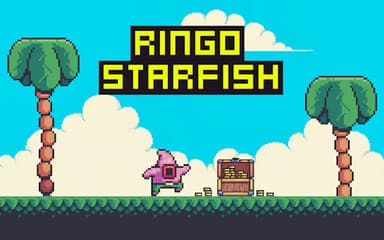
Ringo Starfish is an underwater platformer with checkpoints and abilities. These games help you build the reflexes and timing that the harder ones demand.
Habits that help
Take short breaks when you feel yourself getting angry; a trap that seemed impossible often looks obvious after a rest. Watch your own jumps instead of rushing, because most deaths in this genre come from mistiming rather than missing a trick. And celebrate small wins: finishing a room in Hazard Pay without dying is a real achievement.
Frequently asked questions
Why do trap platformers feel unfair?
They are built around surprise. The designer expects you to fail once to learn each trick, so quick restarts are an important feature.
Which trap platformer should I start with?
Hazard Pay is a good first choice, with three characters, a quick restart key and short shifts.
Can I play these on a phone?
Some have touch controls. Level Once Again, for instance, offers on-screen buttons on mobile.
Are there easier alternatives?
Gorbo the Orc: Crown Quest and Tower platformer 3D are friendlier introductions to platforming.
Looking for more? Browse all reviewed games or the game collections.